1
/
of
1
Hojicha
Hojicha
Regular price
$22.00 USD
Regular price
Sale price
$22.00 USD
Unit price
/
per
Shipping calculated at checkout.
Couldn't load pickup availability
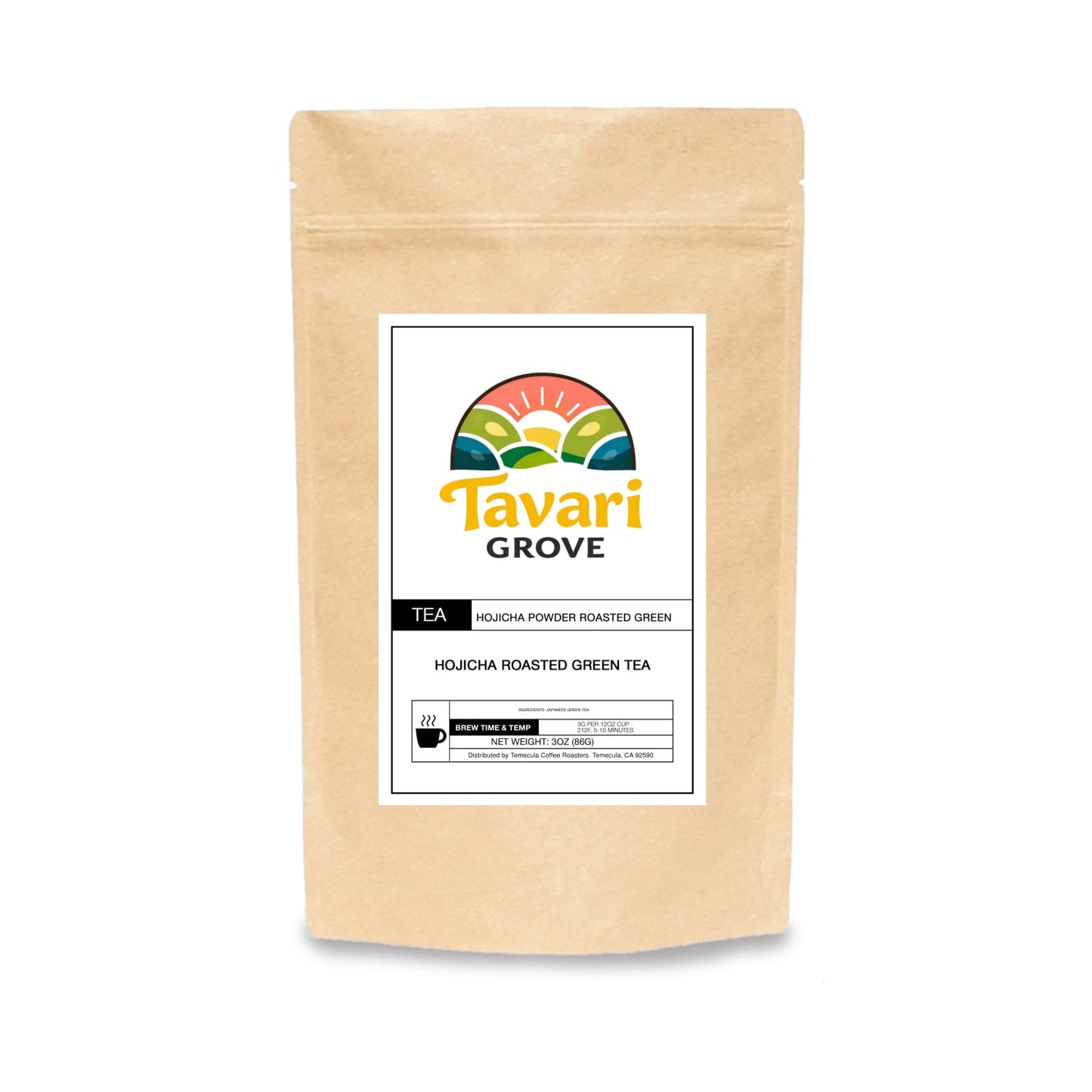
Roasted green tea. Ground into powder. Tastes like toasted cereal and comfort. Lower caffeine than matcha but still enough to keep you functional. Perfect for afternoons when you want something warm without staying up until 3am. Makes incredible lattes. Works in baking. Good on its own if you just want tea that tastes like someone gave green tea a hug.
Type: Roasted Green Tea Powder (Caffeinated)
Origin: Japan
Flavor: Toasted, Nutty, Umami
Vibe: Calm, cozy, evening-friendly
Hojicha
Body: Smooth and warming
Umami: Balanced
Sweetness: Subtle roasted sweetness
Flavor Profile: Toasted cereal 🌾, Nutty, Gentle umami, Caramel undertones
Hōjicha is green tea that's been roasted at high heat until it turns brown. The roasting process reduces bitterness and creates warm, toasted flavors. Think brown rice tea meets gentle coffee vibes meets something your grandma would make you when you're sick.
It's less grassy than regular green tea. More comforting. The powder form makes it perfect for lattes, smoothies, or just whisking with hot water when you want something soothing.
🔴🔴⚪⚪⚪ Low-Medium
About 15-30mg per serving. That's roughly a third of what matcha has. The roasting process reduces caffeine content naturally. Good for afternoons, evenings, or when you want the ritual of tea without staying wired.
Origin: Japan (roasted green tea tradition)
Processing: Green tea leaves + stems, roasted, stone-milled to powder
Flavor Development: High-heat roasting creates caramelization
Traditional Hōjicha uses bancha (older green tea leaves) that are roasted at 200°C+ until they turn reddish-brown. The roasting reduces caffeine and tannins while developing nutty, toasted flavors.
This powder version includes both leaves and stems (traditional Hōjicha style), stone-milled into fine powder after roasting. The stems add sweetness and body. The leaves add structure. The roasting brings it all together into something uniquely comforting.
Hōjicha became popular in Kyoto during the 1920s as a way to use older tea leaves that weren't prime for sencha or matcha. Turns out roasting them made something people actually preferred for afternoon and evening drinking. Smart recycling that turned into a beloved tradition.
Traditional Hōjicha
Amount: 3g powder per 8oz water
Water: 175°F
Method: Whisk or stir until dissolved
Pro tip: It dissolves easier than matcha. No sifting needed.
Hōjicha Latte
Amount: 3-4g powder
Water: 2oz at 175°F
Method: Dissolve powder in hot water, add to 6oz steamed milk
Pro tip: Oat milk works especially well. The sweetness matches the toasted notes.
Cold Hōjicha
Amount: 3g powder
Water: 8oz cold water or milk
Method: Shake vigorously in bottle, pour over ice
Pro tip: Add a splash of vanilla for extra dessert vibes
Why roast green tea? Roasting transforms green tea from bright and grassy to warm and toasted. It reduces caffeine by about 50%, lowers tannins (bitterness), and creates new flavor compounds through caramelization. The result is tea you can drink all day without getting jittery or bitter.
Leaves vs stems: Traditional Hōjicha includes stems (called kukicha when it's all stems). Stems add natural sweetness and lower caffeine. Leaves add structure and body. The combination creates balanced flavor that's more interesting than just roasted leaves.
Why it's brown: Green tea turns brown when roasted at 200°C+ (392°F+). The chlorophyll breaks down, tannins change structure, and sugars caramelize. It's basically the Maillard reaction but for tea. Same thing that makes toast taste better than bread.
Best time to drink: Because caffeine is low and flavor is comforting, Hōjicha is Japan's go-to evening tea. It won't keep you up, but it's more interesting than herbal tea. Perfect for that 8pm moment when coffee would be a terrible idea but you still want something warm.
Share